Navigating Allergy Season: Why Daily Pollen Counts Matter
As the seasons change, the air fills with more than just a refreshing breeze; it often carries microscopic pollen grains, triggering discomfort for millions. For those living with pollen allergies, also known as hay fever, these shifts mark the beginning of a challenging period characterized by sneezing, itchy eyes, and a runny nose. Effectively managing these symptoms begins with a simple yet powerful tool: staying informed about the daily pollen count. Understanding the
Pollental I Dag Dmi – DMI's daily pollen count – or similar regional pollen reports, is not just about knowing "what's in the air"; it's about empowering yourself to plan, adapt, and minimize your exposure to allergens.
Whether you're a long-time allergy sufferer or new to the seasonal sniffles, real-time pollen data provides crucial insights. It helps you decide if today is a good day for an outdoor jog, when to keep windows closed, or if you need to adjust your medication. This proactive approach can significantly reduce the impact of pollen on your daily life, transforming what could be a miserable day into a manageable one.
Understanding Pollen Counts: Sources, Measurement, and Personal Impact
Knowing where to find accurate pollen information and how to interpret it is fundamental. In Denmark, for instance, two primary sources provide invaluable data: Astma-Allergi Danmark and DMI (Danmarks Meteorologiske Institut). While both offer essential insights, they serve slightly different purposes. Astma-Allergi Danmark typically provides a current snapshot based on actual measurements over the past 24 hours (from 1 PM to 1 PM), giving you a real-time picture of current conditions. DMI, on the other hand, often provides forecasts, allowing you to prepare for the expected pollen levels for the upcoming day. This combination of current data and future predictions offers a comprehensive overview.
Pollen counts are typically measured in specific locations. For example, DMI measures pollen at two key sites in Denmark – Copenhagen ("Øst" for East) and Viborg ("Vest" for West) – to provide a representative national overview. These counts are then categorized as low, moderate, or high, guiding individuals on the severity of the day's allergen threat.
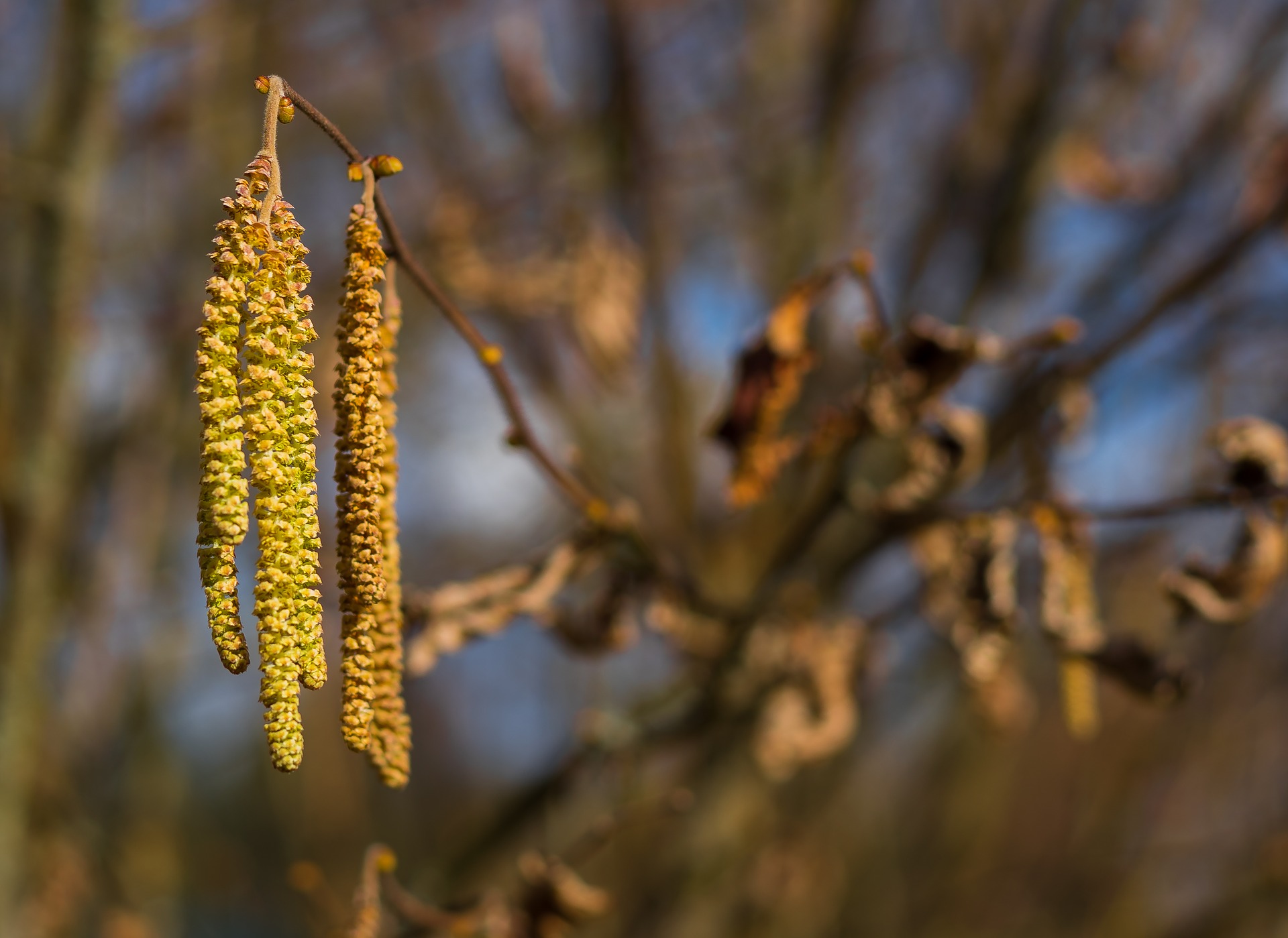
However, the definition of what constitutes a "high" pollen count isn't universal; it varies significantly depending on the specific type of pollen. For instance, a count of just over 15 for hazel pollen is considered high, while birch pollen may not be deemed high until the count exceeds 50. This disparity reflects the varying potency of different pollen types. Hazel pollen, for example, is known to be more potent and can trigger stronger reactions at lower concentrations compared to birch pollen.
Your Unique Allergy Threshold
It's vital to remember that everyone's sensitivity to pollen is unique. Some individuals might experience severe symptoms at moderate pollen levels, while others remain unaffected until counts are exceptionally high. Your personal threshold can even fluctuate at different times of the year or over your lifetime. This personalized aspect underscores the importance of not just checking the
DMI Pollen Count Today: Your Daily Guide to Allergy Relief, but also understanding how your body reacts to specific levels and types of pollen.
A useful strategy is to keep a symptom diary during allergy season. By tracking the daily pollen count alongside your symptoms, you can identify patterns and learn your personal triggers and thresholds. This self-awareness is invaluable for proactive management, allowing you to anticipate challenging days and adjust your plans accordingly. This personalized understanding is key to effectively
Decoding DMI Pollen Counts: Why Your Allergy Reaction Varies.
Decoding the Pollen Calendar: Key Allergy Triggers Year-Round
Pollen season isn't a single event; it's a series of distinct periods, each dominated by different types of pollen. Knowing which allergens are active at specific times can help you pinpoint your triggers and prepare more effectively.
Here's a general pollen calendar, highlighting the peak seasons for common allergens:
- February – April: Hazel and Alder
Often marking the start of the pollen season, these tree pollens can catch many by surprise, bringing early symptoms even before spring fully arrives.
- March – May: Elm
Following closely, elm pollen adds to the early spring allergen load, contributing to symptoms for those sensitive to it.
- April – May: Birch
Perhaps one of the most significant springtime allergens, birch pollen is notoriously potent and causes widespread hay fever symptoms for many during its peak.
- May – August: Grass
Spanning a longer period, grass pollen is a major trigger throughout late spring and summer, affecting a vast number of allergy sufferers with classic hay fever symptoms.
- July – August: Mugwort (Bynke)
As summer progresses into its later stages, mugwort pollen becomes a prominent allergen, often extending the allergy season for those sensitive to weeds.
Understanding this calendar, combined with the daily
Pollental I Dag Dmi, allows you to anticipate peak periods for your specific allergens and implement preventative measures well in advance.
Essential Strategies for Allergy Relief: Beyond Just Checking the Count
While monitoring the pollen count and taking prescribed medication are fundamental, a comprehensive allergy management plan includes a variety of practical tips that can significantly improve your quality of life during allergy season.
Here are some actionable strategies:
- Stay Indoors During Peak Pollen Hours: Pollen counts are often highest in the morning, especially between 5 AM and 10 AM, and on warm, windy days. Plan outdoor activities for later in the day, or after a rain shower which typically washes pollen out of the air.
- Protect Your Eyes: Wear sunglasses or glasses when outdoors to create a physical barrier, preventing pollen from directly entering your eyes and reducing irritation.
- Consider Nasal Filters: If you must be outdoors when pollen counts are high, a discreet nasal filter can help trap airborne allergens before they enter your respiratory system.
- Delegate Lawn Care: For those with grass pollen allergy, having someone else mow the lawn can prevent significant exposure and symptom flare-ups.
- Ventilate Smartly: Air out your home strategically. Open windows early in the morning or late in the evening when pollen levels are typically lower. If possible, consider using air conditioning with a HEPA filter, as it can both cool and clean the air.
- Shower Before Bed: Pollen can cling to your hair, skin, and clothes throughout the day. A shower before bed helps wash away allergens, preventing them from transferring to your bedding and irritating you overnight. Change into clean clothes after showering.
- Clean Your Home Regularly: Dust surfaces with a damp cloth and vacuum with a HEPA filter-equipped vacuum cleaner to remove pollen that has settled indoors.
- Wash Bedding Frequently: Launder your sheets, pillowcases, and blankets in hot water at least once a week to remove accumulated pollen.
- Limit Pet Outdoor Access: If you have pets that spend time outdoors, they can bring pollen indoors on their fur. Wiping them down with a damp cloth or showering them after outdoor excursions can help.
- Be Mindful of Drying Clothes: Avoid drying laundry outdoors on high pollen days, as pollen can easily adhere to fabrics.
When to Consult a Professional: Taking Control of Your Allergy Management
While many people manage their pollen allergy with over-the-counter medications and lifestyle adjustments, it's always a good idea to consult a healthcare professional. A doctor can help confirm your specific allergy triggers, which is crucial for using pollen counts most effectively. They can also recommend personalized treatment plans, including prescription medications or immunotherapy (allergy shots), if your symptoms are severe or persistent.
Pollen allergy rarely presents from birth; it typically develops in older children and young adults. Interestingly, for many, symptoms naturally diminish with age, often after their 30s, and some individuals may even outgrow their allergies entirely. Regardless of your age or the severity of your symptoms, a medical professional can provide guidance and support, ensuring you have the best possible strategy for navigating allergy season. By combining self-awareness, informed action based on the daily
Pollental I Dag Dmi, and professional medical advice, you can significantly reduce the impact of pollen on your life and enjoy the changing seasons with greater comfort.