Decoding DMI Pollen Counts: Why Your Allergy Reaction Varies
For millions across Denmark and beyond, the arrival of spring and summer brings a familiar dread: the relentless assault of pollen. If you're an allergy sufferer, staying informed about DMI Pollen Count Today: Your Daily Guide to Allergy Relief is not just a convenience; it's a vital tool for managing your symptoms. The Danish Meteorological Institute (DMI) provides crucial data, often sought after as "Pollental I Dag Dmi" by those looking for the day's pollen levels. However, simply knowing the number isn't enough. Many find their reactions bewilderingly inconsistent: why do some days with seemingly high counts leave them mildly affected, while other days, with similar figures, trigger a full-blown attack of sneezing, itching, and congestion?
This article delves into the nuances of DMI pollen counts, exploring why your personal sensitivity plays such a pivotal role in your allergic response. We'll decode the data, help you understand the varying potency of different pollen types, and offer actionable insights to navigate allergy season more effectively.
Understanding Pollen Counts: More Than Just a Number
Pollen counts represent the concentration of airborne pollen grains per cubic meter of air over a 24-hour period. In Denmark, these crucial figures are primarily provided by two key sources: DMI (Danish Meteorological Institute) and Astma-Allergi Danmark (the Danish Asthma and Allergy Association). While both offer invaluable information, they serve slightly different, complementary purposes.
- Astma-Allergi Danmark: Specializes in actual, real-time measurements. They collect data from strategically placed measuring stations, providing an up-to-date snapshot of pollen levels from 1 PM on one day to 1 PM the next.
- DMI: While also providing current counts, DMI is particularly known for its forecasts. This foresight allows allergy sufferers to anticipate upcoming high pollen days, enabling proactive planning and medication adjustments.
Both institutions gather data from two main geographical regions: 'Øst' (East), typically centered around Copenhagen, and 'Vest' (West), with measurements from Viborg. This regional split is important because pollen distribution can vary significantly across the country due to weather patterns, wind direction, and local vegetation.
Decoding "Low," "Moderate," and "High"
Pollen counts are often simplified into categories like 'low,' 'moderate,' and 'high.' However, what constitutes a 'high' count isn't universal; it depends critically on the specific type of pollen. For instance:
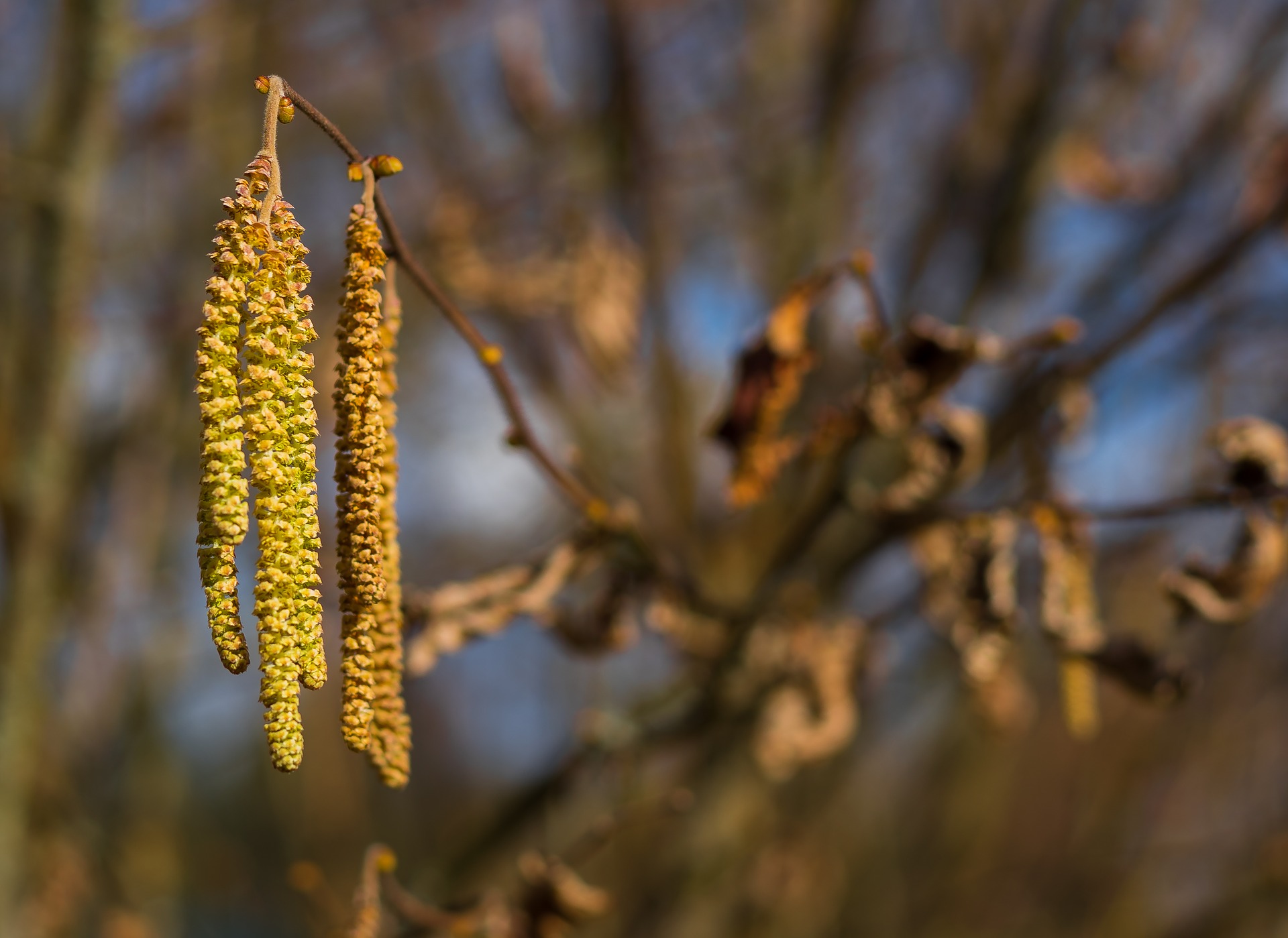
- A hazel (Hassel) pollen count above 15 is considered high.
- In contrast, a birch (Birk) pollen count needs to exceed 50 to be classified as high.
This discrepancy isn't arbitrary. It reflects the varying potency of different pollen types. Hazel pollen, for example, is known to be far more allergenic than birch pollen for many individuals. Therefore, a lower concentration of hazel pollen can trigger a more severe reaction than a higher concentration of birch pollen. This crucial distinction underscores why simply looking at a generic "high" alert might not tell you the full story of your potential discomfort.
Why Your Allergy Symptoms Vary: Unpacking Personal Sensitivity
This is perhaps the most frustrating aspect of pollen allergy: two people looking at the same "Pollental I Dag Dmi" can have vastly different experiences. One might be enjoying a walk in the park with minimal issues, while the other is confined indoors, struggling with itchy eyes, a runny nose, and incessant sneezing. This variability is rooted in what we call 'personal sensitivity.'
Individual Thresholds
Your body's immune system has a unique threshold for reacting to allergens. Some individuals are exquisitely sensitive, experiencing symptoms even at very low pollen counts. Their immune system is primed to launch an immediate, robust defense. Others possess a higher tolerance, only reacting when pollen concentrations reach particularly elevated levels. This threshold can even fluctuate throughout the season or from year to year, influenced by factors such as:
- Overall Health: Stress, other illnesses, or fatigue can lower your resistance and make you more reactive.
- Cumulative Exposure: Continuous exposure over several days can "fill up your allergic bucket," leading to more pronounced symptoms even on days with moderate counts.
- Age: Pollen allergies often develop in childhood or adolescence. Interestingly, for some, symptoms may naturally diminish or even disappear after the age of 30.
The Potency Factor Revisited
As mentioned, the type of pollen matters immensely. If you are highly allergic to hazel, even a moderate count for that specific pollen type might feel like a severe reaction. Conversely, if you have a mild sensitivity to grass, you might only experience symptoms when grass pollen counts are exceptionally high. Understanding which specific pollens trigger your allergies is paramount for interpreting the "Pollental I Dag Dmi" data accurately for your personal situation.
The Benefit of a Symptom Diary
One of the most empowering tools for managing your allergy is a simple symptom diary. By consistently logging the daily pollen count (and type, if available) against your symptoms, you can start to identify your personal threshold. For example, you might discover that your eyes become itchy when birch pollen exceeds 30, but your nose only runs when it hits 60. This personalized insight empowers you to:
- Pre-emptively medicate: Take your antihistamines or use nasal sprays before your typical symptom threshold is reached.
- Plan activities: Adjust outdoor plans or avoid certain tasks on days when your trigger pollen type is expected to be high.
The Danish Pollen Calendar: Knowing Your Enemy
Understanding the general timeline of different pollen types in Denmark is fundamental for proactive allergy management. This "pollen calendar" helps you anticipate when your specific triggers are likely to be prevalent, allowing you to prepare mentally and medically.
- February – April: Hazel (Hassel) and Alder (El): The earliest trees to release pollen, often catching sufferers off guard as winter turns to spring. Hazel pollen is particularly potent for many.
- March – May: Elm (Elm): Following close behind, elm pollen can contribute to early spring allergy symptoms.
- April – May: Birch (Birk): This is often considered the peak of tree pollen season for many, with birch pollen being a widespread allergen in Denmark.
- May – August: Grass (Græs): A long and often intense season, grass pollen affects a vast number of allergy sufferers throughout the summer months.
- July – August: Mugwort (Bynke): As summer progresses, mugwort pollen takes over, marking the end of the traditional pollen season for some, but a new challenge for others.
By consulting the pollen calendar and knowing your specific allergies, you can better interpret the "Pollental I Dag Dmi" reports and understand when you are most at risk.
Proactive Management: Tips for Navigating Pollen Season
Knowing your "Pollental I Dag Dmi" is a powerful first step, but it's only truly effective when combined with smart, proactive management strategies. Here are some actionable tips to help you minimize symptoms and enjoy a better quality of life during allergy season:
Monitoring "Pollental I Dag Dmi" and Your Reaction
- Daily Check-ins: Make it a habit to check the Navigate Allergy Season: Daily Pollen Count & Essential Tips from DMI or Astma-Allergi Danmark daily, especially during your peak allergy season. Pay attention to forecasts as well as current counts.
- Symptom Tracking: Keep that symptom diary! It's your personal key to understanding what specific counts and pollen types trigger your reactions.
- Doctor Consultation: If you haven't already, talk to your doctor. They can help identify your specific pollen allergies and recommend appropriate prescription or over-the-counter medications, from antihistamines to nasal corticosteroids. They can also discuss immunotherapy options for severe cases.
Practical Strategies for Daily Life
- Stay Indoors During Peak Counts: If the "Pollental I Dag Dmi" for your trigger pollen is high, especially mid-morning to early evening, consider limiting outdoor activities.
- Wear Sunglasses: This simple barrier can help protect your eyes from airborne pollen.
- Consider a Nasal Filter: For unavoidable outdoor exposure during high pollen days, a discreet nasal filter can offer an extra layer of protection.
- Delegate Lawn Mowing: If you suffer from grass pollen allergy, ask someone else to mow the lawn, or wear a high-filtration mask if you must do it yourself.
- Ventilate Smartly: Air out your home in the early morning or late evening when pollen counts are typically lower. Keep windows closed during peak hours.
- Personal Hygiene: Shower and wash your hair before bed to remove pollen accumulated during the day. Change clothes immediately after returning indoors from significant outdoor time.
- Laundry Habits: Avoid drying clothes and bedding outdoors, as pollen can easily cling to them.
- Car Care: Keep car windows closed and use your car's air conditioning on recirculate mode to prevent pollen from entering the cabin.
- Air Purifiers: Consider investing in a HEPA filter air purifier for your bedroom or main living areas to reduce indoor pollen levels.
Conclusion
The journey to managing pollen allergy effectively begins with accurate information. By consistently checking "Pollental I Dag Dmi" and understanding what those numbers truly mean for different pollen types, you gain a significant advantage. However, true mastery comes from recognizing the deeply personal nature of allergic reactions. Your unique sensitivity, combined with the specific potency of various pollens, dictates how you'll feel each day. By observing your patterns, consulting with healthcare professionals, and implementing proactive strategies, you can move from merely reacting to pollen season to actively managing it, allowing you to breathe easier and enjoy life, even when pollen is in the air.